INTERNATIONAL CONFERENCE ON PERFECTING THE LAW ON FORENSIC EXPERTISE: EXPERIENCES OF VIETNAM, THE RUSSIAN FEDERATION, THE REPUBLIC OF AZERBAIJAN AND OTHER COUNTRIES AROUND THE WORLD
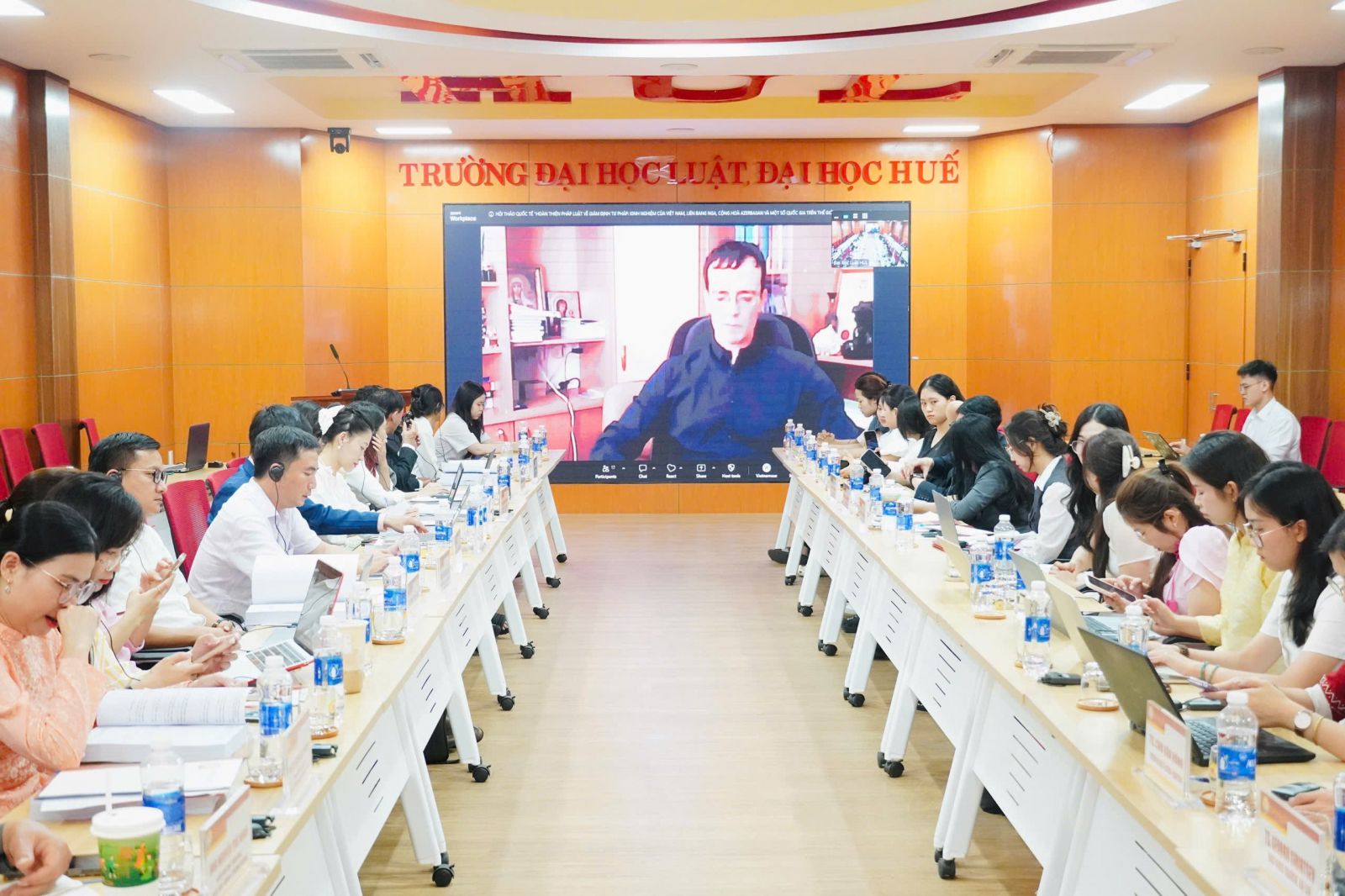
Update day: 16-06-2026On May 15, 2026, the University of Law, Hue University, in collaboration with Tula State University, the Academy of Public Administration under the President of the Republic of Azerbaijan, and Vien An Law Firm, organized an international conference on “Perfecting the Legal Framework for Forensic Expertise: Experiences from Vietnam, the Russian Federation, the Republic of Azerbaijan, and Other Countries”. The conference was held against the backdrop of judicial reform, digital transformation, and international integration, which have brought about emerging challenges for the regulation and practice of forensic expertise in Vietnam.
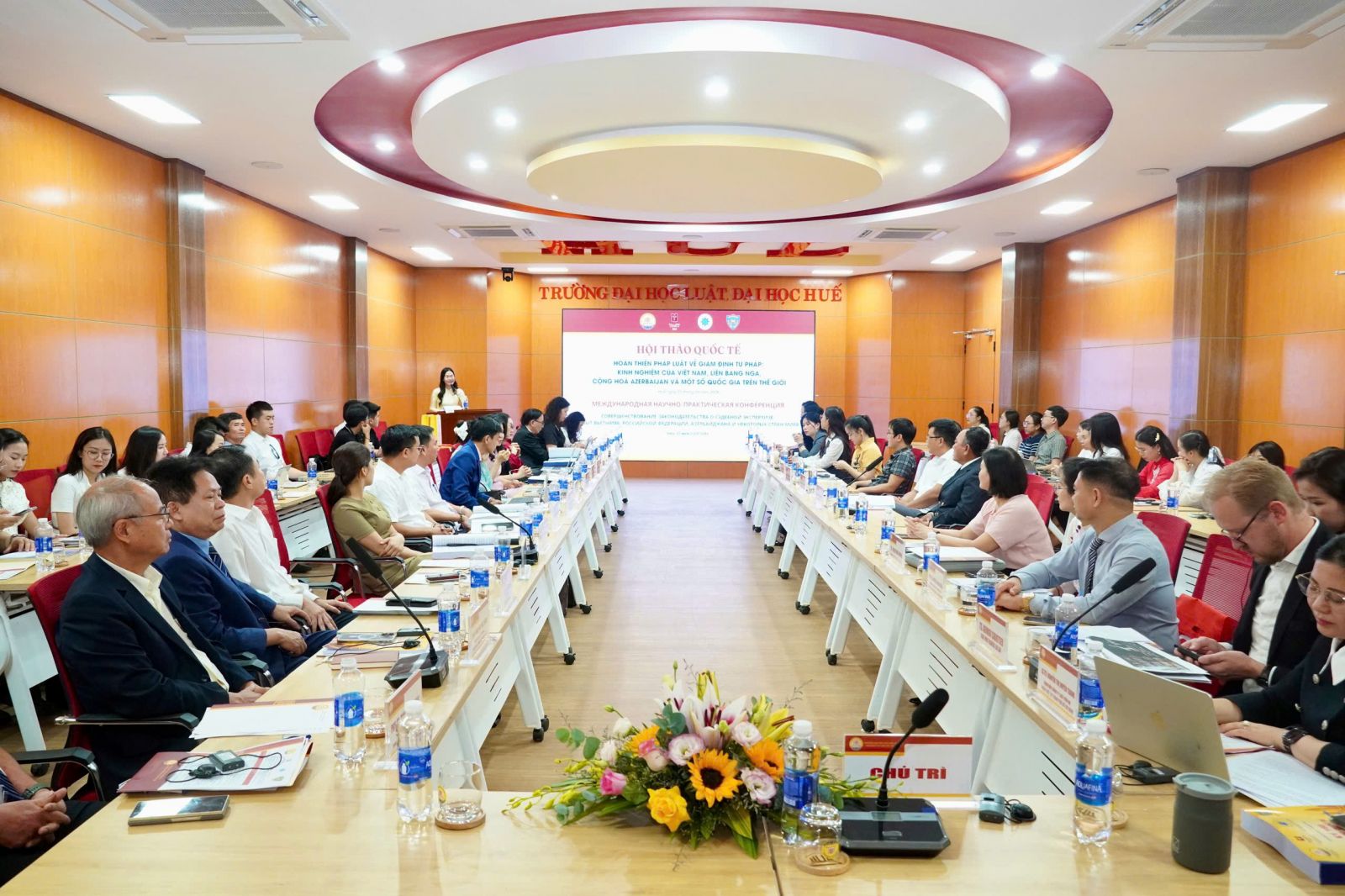
The conference attracted the participation of more than 100 policymakers, experts, scholars, lecturers, and lawyers from Vietnam and abroad, attending both in person and online. Among the participants were scholars from Tula State University, the V.M. Lebedev Russian State University of Justice, Immanuel Kant Baltic Federal University, and the University of Gdańsk (Poland). The conference was also attended by representatives of the Hue Department of Justice, the Hue Department of Foreign Affairs, the People's Procuracy of Da Nang City, the Hue City Police, the Da Nang City Police, Regional People's Court No. 2 of Ho Chi Minh City, the Central Military Court, Vien An Law Firm, and Long Cuong Law Office.
Representatives from higher education institutions attending the conference included Hanoi Law University, Procuracy University, Can Tho University, and the University of Finance and Marketing.
Representing the University of Law, Hue University at the conference were Assoc. Prof. Dr. Doan Duc Luong, Rector of the University, along with leaders of affiliated units, lecturers, researchers, and students.
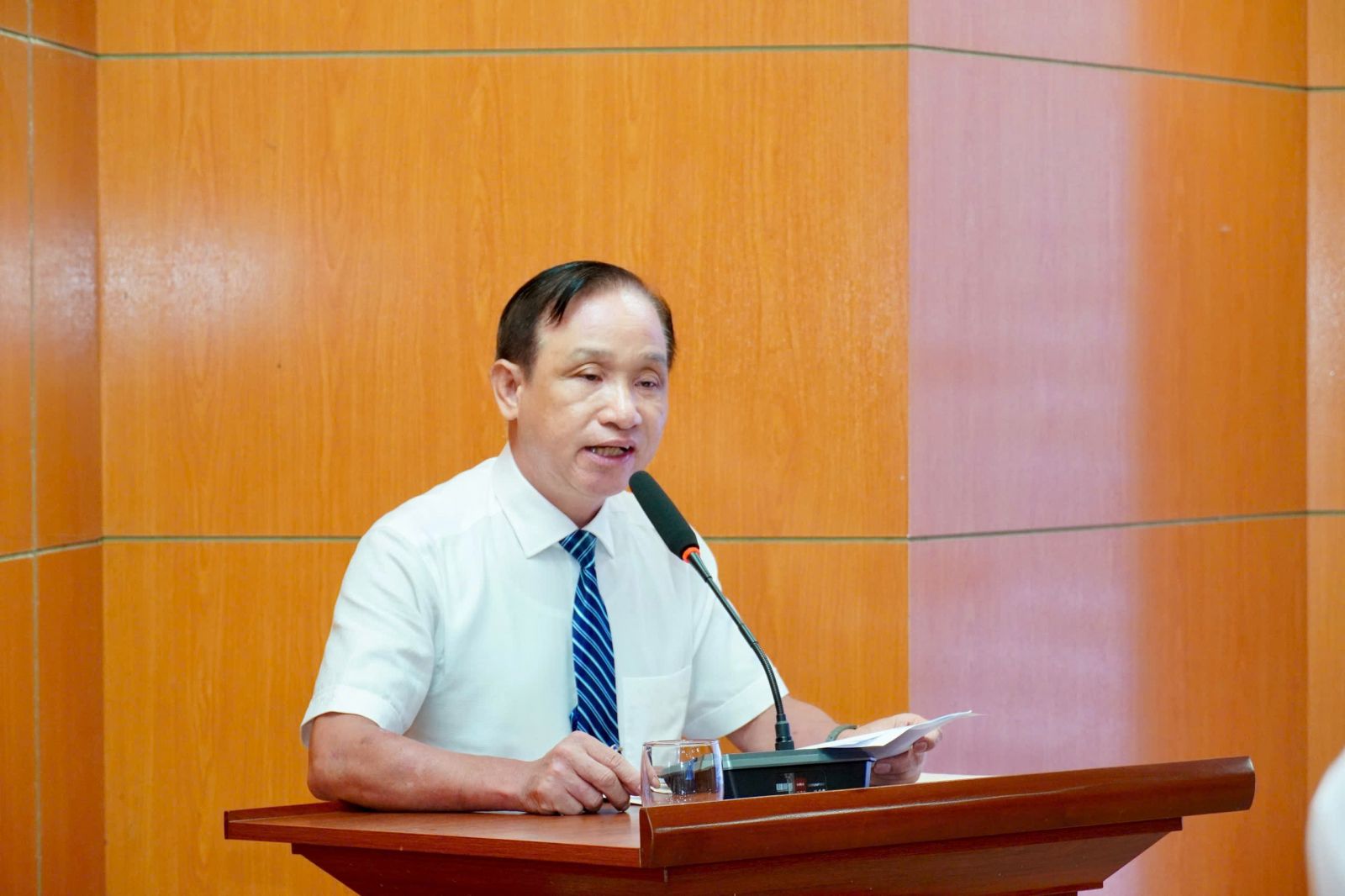
In his opening remarks, Assoc. Prof. Dr. Doan Duc Luong highlighted judicial expertise plays a pivotal role in ensuring the objectivity and accuracy of judicial proceedings, thereby contributing to meeting the requirements of judicial reform in the current period. In the context of digital transformation and increasingly deep international integration, studying and exchanging international experiences on improving the legal framework and enhancing the effectiveness of judicial expertise activities is of practical significance both theoretically and practically. The conference also provides an opportunity for scholars, experts, and educational institutions to strengthen academic connections and promote research cooperation in the fields of law and justice simultaneously.
Representatives of the co-organizing institutions appreciated the significance of the conference in providing a forum for the exchange of international experience in judicial expertise, thereby contributing to closer links between academic research and current legal and judicial practice.
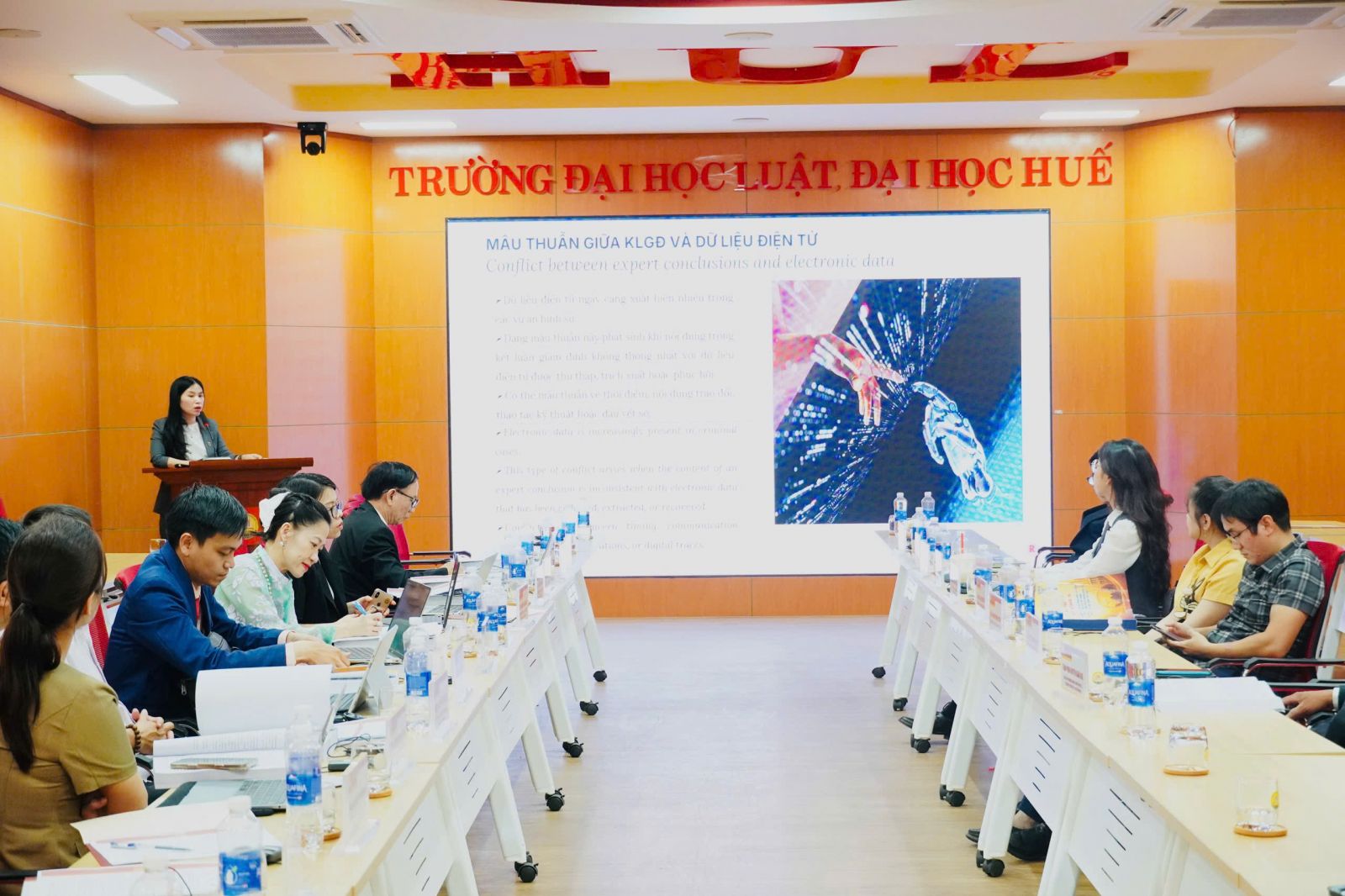
The conference received 59 papers from scholars, experts, and academics from Vietnam and abroad. From these submissions, the Organizing Committee selected 11 outstanding papers for presentation at the conference, further enriching discussions on the academic and practical issues under consideration.
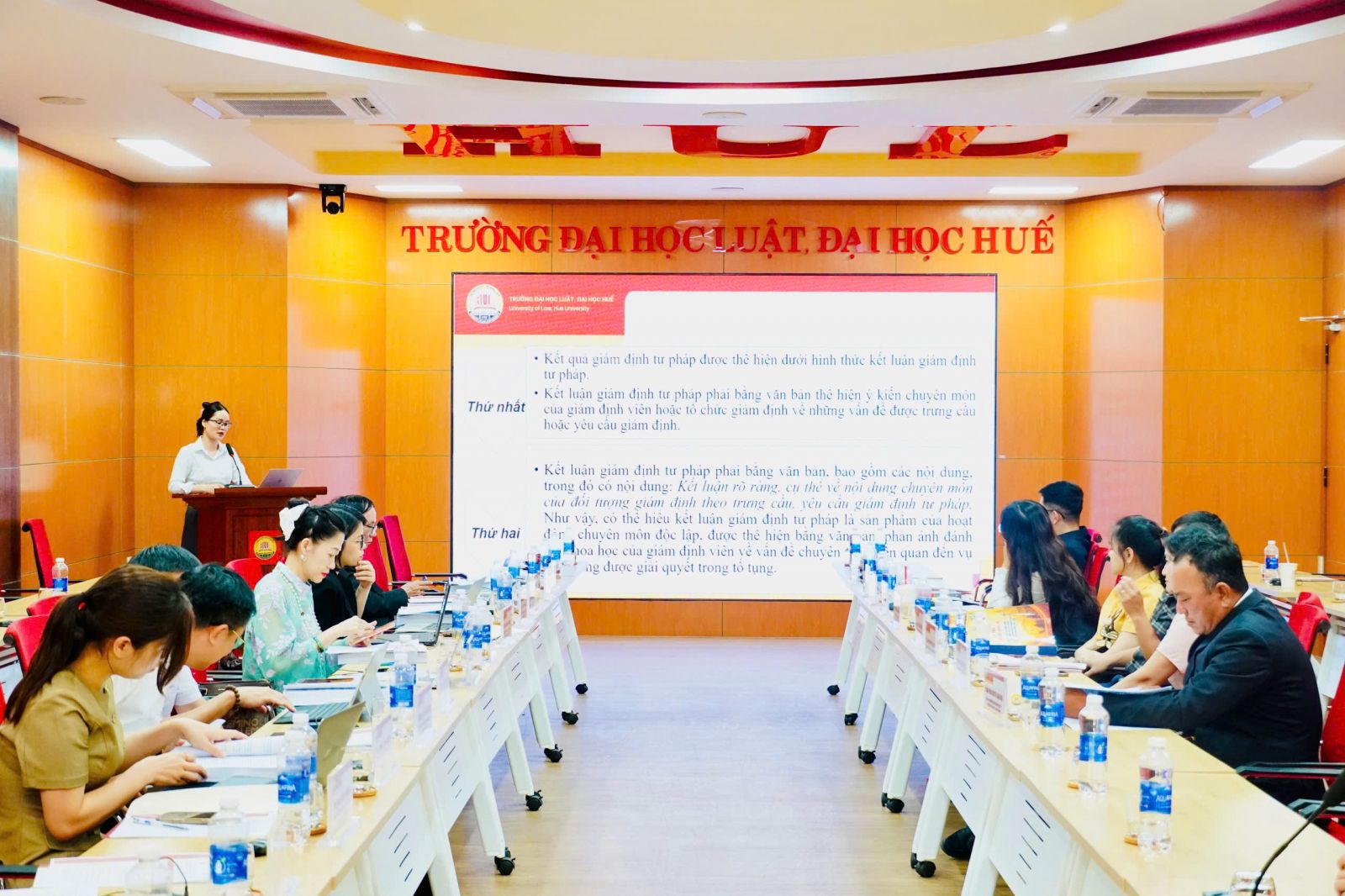
The conference program was organized into three thematic sessions, namely Judicial Expertise – Practical Experience in Vietnam; The Role and Use of Judicial Expertise Conclusions in the Resolution of Criminal Cases; and Judicial Expertise Experience in the Russian Federation and Several Other Countries. The papers focused on analyzing models of judicial expertise organizations, the legal responsibilities and professional ethics of judicial experts, as well as comparative studies on judicial expertise in Vietnam, the Russian Federation, Azerbaijan, and several other countries.
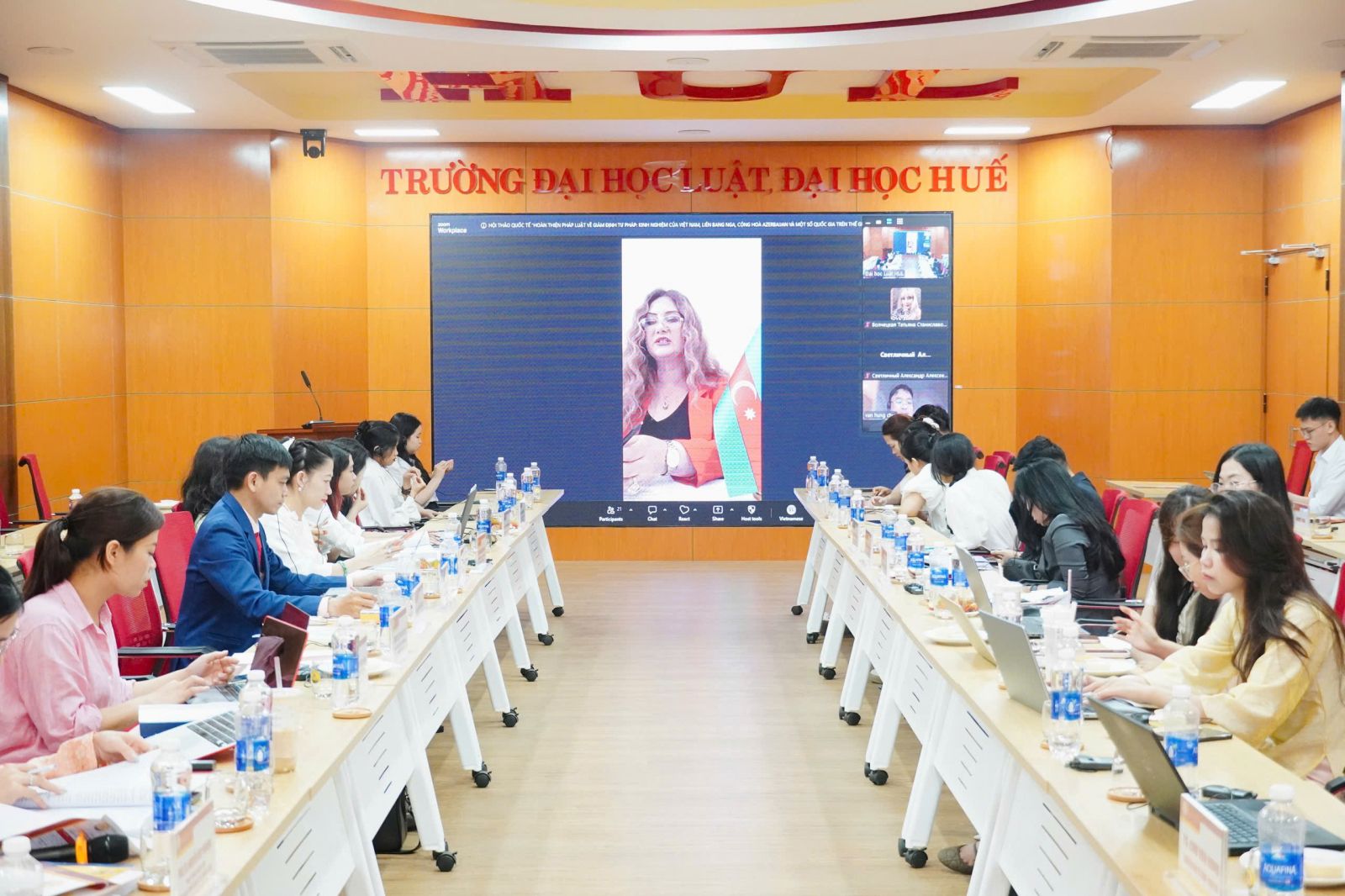
The conference concluded in an open and vibrant academic atmosphere, featuring numerous in-depth discussions and valuable practical insights. The event not only provided a platform for networking among scholars, experts, and legal education and research institutions from Vietnam and abroad, but also opened opportunities for future academic cooperation and research development. Consequently, it contributed to expanding international cooperation networks and enhancing the quality of legal education and research to meet the demands of development in the new context.